You’ve probably heard of Rosé d’Anjou and Cabernet d’Anjou. You might have tried a rosé from Chinon or Bourgueil. But – have you ever heard of Touraine Noble Joué or St Pourçain?
The weather’s been so hot this past couple of weeks and rosé just seems to have been the right choice so we thought we’d branch out a bit and try a couple of the lesser known ones from the Loire valley.
Unlike other rosés from the Loire, Touraine Noble Joué comes from the Pinots and is an appellation for still rosés only.
Pinot Meunier 40% or more in the blend
Pinot Gris 20% or more in the blend
Pinot Noir 10% or more in the blend
It comes from a tiny area around the city of Tours in the communes of Chambray-lès-Tours, Esvres, Joué-lès-Tours, Larçay and Saint-Avertin.
The cahier de charges allows both the direct pressing and maceration method of production and the wine must be dry (with less than 4g per litre of residual sugar).
Although the wines of Noble Joue (so called because of the use of noble grape varieties) have been famous for centuries, the formal appellation was only ratified in 2001. Growers applied for formal recognition in 1939 but the Second World War got in the way and it never happened until many years later.
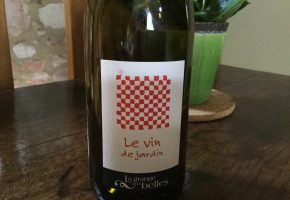
There are just 5 producers of this wine making a total of around 200,000 bottles. The one we bought was the 2018 from Domaine Astraly.
With a slightly pale salmon colour, it was floral and bursting with redcurrant fruit. Fresh and clean on the palate, there’s nice acidity and balance. An easy summer wine and great value at 5€ in the supermarket.
The second rosé we drank this week was from the appellation of Saint-Pourçain. Saint-Pourçain was promoted from VDQS status to appellation in 2009 and is a long way away from us here in Noizay (around 3 and a half hours by car going south it’s north of Vichy).
Despite being such a long way away from the Loire river, it’s wines are very much considered to be attached to the Loire and were very famous in times gone by.
At the end of the 18th century there were around 8,000 hectares of vines but from the beginning of the 19th century, cereals and fodder crops took over and then phylloxera seriously reduced the vineyard area.
Today 19 communes planted on hillsides at an altitude of 250-350m, the rosés are exclusively made from the Gamay grape.
650 hectares of vines farmed by around 90 growers, the Union des Vignerons de Saint-Pourçain-sur-Sioule was created in 1952 and today accounts for around two thirds of total production.
This rosé was attractive on the nose. Plenty of summer fruit and a hint of grapefruit. On the palate it was a touch on the lean side. Less attractive than the Noble Joué but still fresh and crisp on a hot day.
It’s good for us as wine professionals to get out and just buy odd random bottles in the supermarket. It’s easy to be lulled into the false impression that wines are all at the quality we are used to showing and of course that’s not the case.
We were a bit disappointed in the St Pourçain if truth be known but delightfully surprised by the Touraine Noble Joué. We’ll try and seek out a few more examples. With production being so small I imagine both these wines might be difficult to find overseas.
You’ll just have to come back over to the Loire to taste them!