As we step away from using so many chemicals and pesticides in the vineyard, it has also become clear that there are other things we should be addressing.
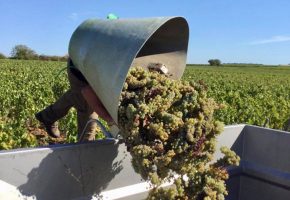
Viticulture is monoculture. One single crop planted over wide areas of land with no crop rotation. This was not the case last century when most vine growers also has other crops or animals that supplemented their income.
Reintroducing bio-diversity in the vineyards serves many purposes. It provides a natural habitat for birds, bees and insects. It provides a home for natural predators that can deal with pests in the vineyard naturally. It adds diversity to the landscape.
One of the problems we have to deal with in the vineyard is moths that lay their eggs in the developing bunches of grapes. There’s a pesticide to deal with the problem but of course organic growers are not going to use that.
Did you know bats can help?
Bats eat the larvae and so can help control this problem in the vineyard. The problem is that bats require regular points in a given landscape to orientate themselves and the plateau above our house is very open with few points of reference for them.
That’s why we are seeing new trees being planted in and around the vineyards. This will help the bats (that have a very natural habitat living in the limestone caves dug out of the hillsides) to orientate themselves and to help us out!

We also saw little insect hotels fixed on posts in between the vines too (you can see those on the post’s title picture).